
The Amazing "Bee March" How We Successfully Relocated a Swarm to a New Hive Box
Bees swarming in a backyard tree can be an unexpected sight. While it might cause concern, it also offers a unique chance to witness nature’s incredible teamwork. Recently, we had the opportunity to safely relocate a swarm from a tree to a new hive box. The highlight was capturing the fascinating "bee march" — a coordinated movement of bees entering their new home. This post shares how we managed the removal and what makes the bee march so special.
What Is the "Bee March"?
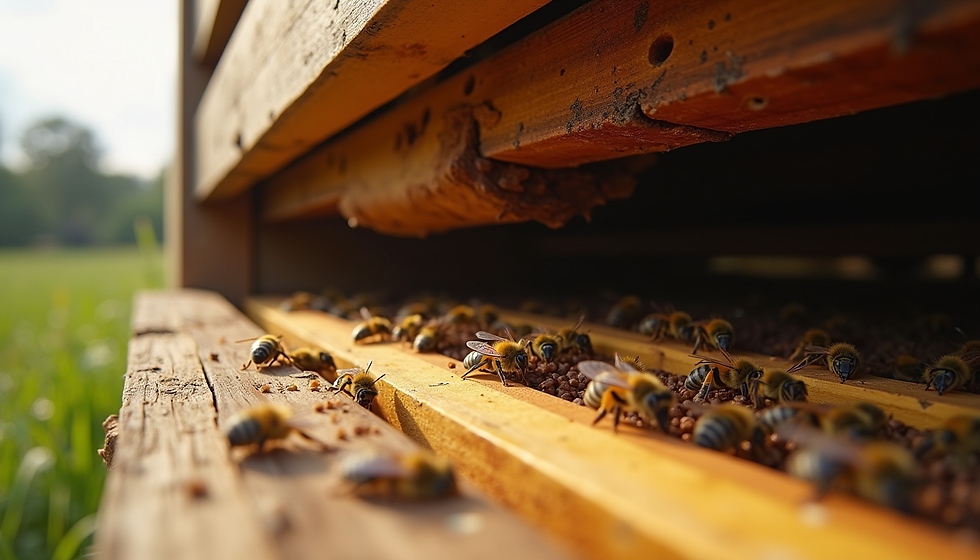
The "bee march" is a natural behavior where bees move in an from their temporary cluster to a permanent hive. After a swarm leaves their original colony, they often rest on a tree branch or other surface while scout bees search for a new home. Once the scouts find a suitable hive box, the entire swarm follows in a steady stream.
This march is remarkable because it shows the bees’ ability to communicate and work together. The bees don’t rush or scatter; instead, they move with purpose, one after another. Watching this unfold is a rare chance to see nature’s precision and cooperation.
How We Found and Prepared the Swarm
The swarm appeared on a large oak tree in a quiet backyard. The homeowner contacted us for help, concerned about safety and the bees’ wellbeing. We inspected the swarm carefully, noting its size and location. Since the bees were calm and clustered tightly, it was an ideal moment for removal.
We prepared a clean, empty hive box nearby. This box was designed to mimic a natural hive, with frames ready for the bees to build comb. We placed it close to the swarm but on the ground, making it easier for the bees to find their new home.
Our approach focused on minimizing stress for the bees. We gently swept the swarm from the branch onto hive frames, then transferred them into the hive box. We were able to sweep the queen into the bee box on one of our passes, placing her safely inside the box, which encouraged the worker bees to follow.
The most exciting part was when the bees began their "bee march" - moving steadily inside. This behavior confirmed the queen’s presence and the swarm’s acceptance of the new home.
Why Successful Bee Removal Matters
Relocating a swarm instead of exterminating it benefits both people and the environment. Bees are vital pollinators, supporting gardens, farms, and wild plants. Removing them safely protects the colony and reduces risks for homeowners.
Our experience shows that with patience and care, swarms can be moved without harm. The "bee march" is a sign that the bees trust their new hive and will thrive there.
Tips for Homeowners Who Spot a Swarm
Stay calm and keep distance. Swarming bees are usually not aggressive.
Contact a local beekeeper or removal expert. They can safely relocate the swarm.
Avoid using pesticides or sprays. These harm bees and the environment.
Prepare a hive box if you want to keep bees. This encourages safe relocation.
Observe from a safe spot. Watching the bee march can be a memorable experience.
The "bee march" is more than a fascinating spectacle. It represents a successful transition for a bee colony and a chance for humans to support these essential insects. If you ever see a swarm, consider the opportunity to help them find a new home.


Comments